Kenneth Barnes
15/09/2026While the benefits are clear, I wonder about the scalability of these interactive workshops. How can smaller regional museums with fewer staff or resources effectively implement such demanding programs?
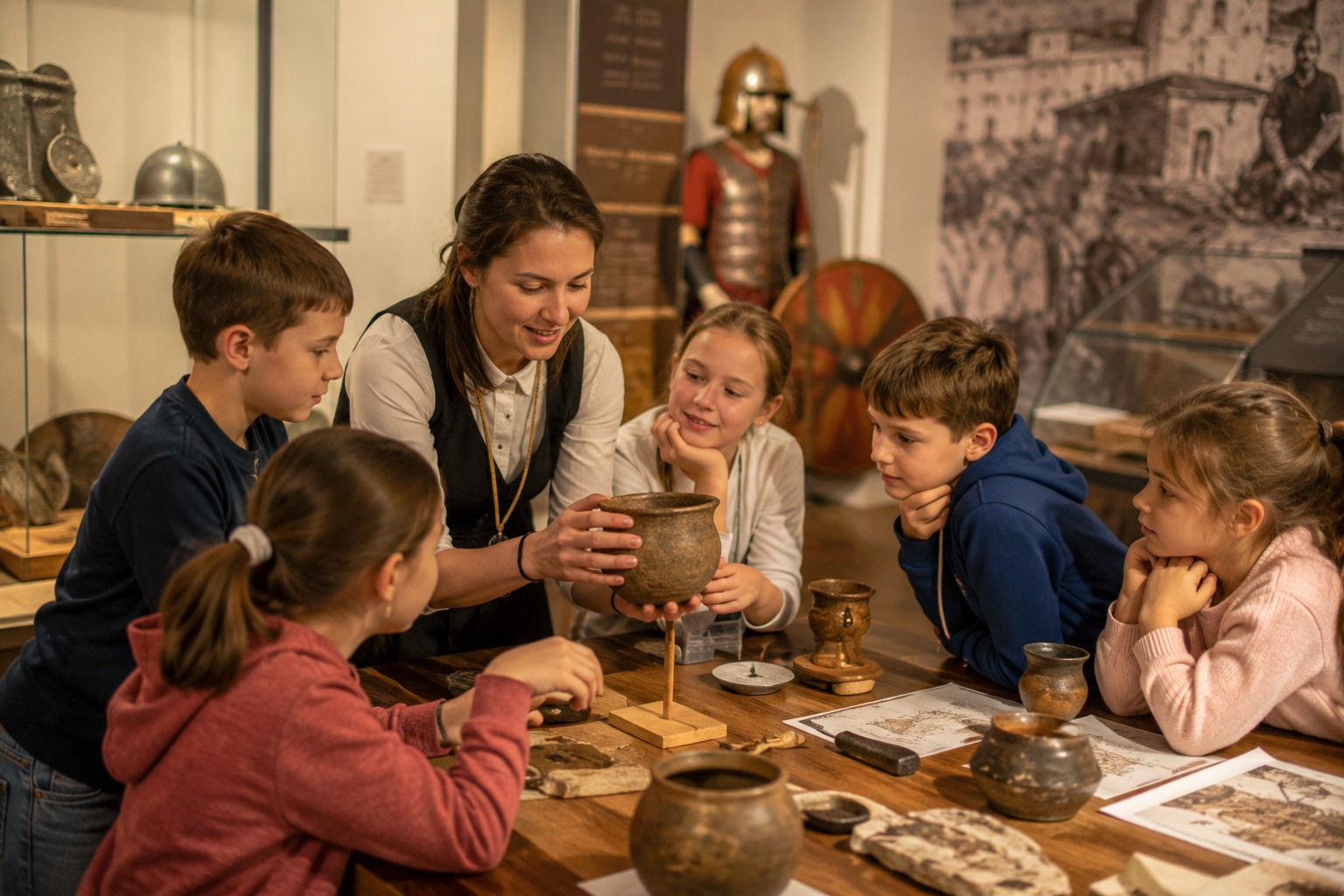
For generations, museums have served as custodians of human heritage, silent witnesses to time's passage. Yet, their role has evolved significantly beyond mere preservation. Modern institutions, especially regional museums, are now dynamic educational hubs, connecting diverse audiences with local and global narratives. This shift emphasizes active engagement over passive observation, particularly for younger visitors. Museum Travel England recognizes the challenge: transforming static displays into vibrant, memorable experiences that ignite curiosity for history.
Previous educational research consistently highlights the profound impact of hands-on learning for children. Studies in cognitive development suggest active participation enhances memory retention and critical thinking far more effectively than traditional lecture-based methods. When applied to historical contexts, this means interacting with concepts, tools, and practices. Understanding how children construct knowledge of the past is crucial for effective museum programs.
Regional museums present unique opportunities. These institutions often possess collections deeply rooted in local community stories, offering a direct, tangible link to children's immediate environment. Early studies explored how local history could be made relevant, moving away from abstract timelines to personal narratives. Their potential to become central to a child's understanding of their heritage is immense, with the right pedagogical approaches. This foundational understanding underpins the drive for innovative educational programming.
The interpretation of these findings suggests regional museums must evolve from static displays to dynamic, participant-centered experiences. Traditional models often fail to capture young imaginations. Integrating interactive components transforms museums into vibrant learning laboratories where history is actively explored and recreated.
A key challenge involves balancing historical accuracy with engaging pedagogy. While creative freedom captivates young audiences, workshops must remain grounded in verifiable historical evidence. Curators and educators need to collaborate closely, ensuring simplified narratives don't distort the past, maintaining integrity while making history accessible.
Implementing workshops demands thoughtful resource management. Developing compelling interactive programs requires specialized skills in educational design, materials, and dedicated staffing. Regional museums, often with limited capacity, must strategically leverage partnerships and volunteer networks. Museum Travel England frequently highlights successful collaborations to inspire this.
Continuous evaluation of interactive workshops is critical for ongoing improvement. Simply offering programs is insufficient; understanding their actual impact on children's learning outcomes and engagement is paramount. Robust assessment methods, like surveys or observational studies, provide invaluable feedback for refining future educational offerings.
The potential for these workshops to foster critical thinking skills is immense. Presenting children with historical problems, encouraging them to analyze evidence, and form interpretations, cultivates essential analytical abilities. This moves beyond rote memorization, empowering children to question, investigate, and construct understanding.
Ultimately, regional museums' relevance depends on their ability to adapt and innovate in educational outreach. Embracing interactive history workshops for children is a fundamental redefinition of their role as community anchors and educational powerhouses. This commitment is something Museum Travel England actively champions and supports.

While the benefits are clear, I wonder about the scalability of these interactive workshops. How can smaller regional museums with fewer staff or resources effectively implement such demanding programs?

Thank you for sharing your positive experience! We completely agree that hands-on engagement creates lasting memories and a deeper connection to history for young learners. It's wonderful to hear your children benefit so much.

That's a very pertinent question. Scalability is indeed a consideration. Our article highlights leveraging partnerships and volunteer networks. Many smaller museums find success through collaborations with local schools, community groups, or by focusing on a few high-impact, well-designed workshops rather than a broad offering.
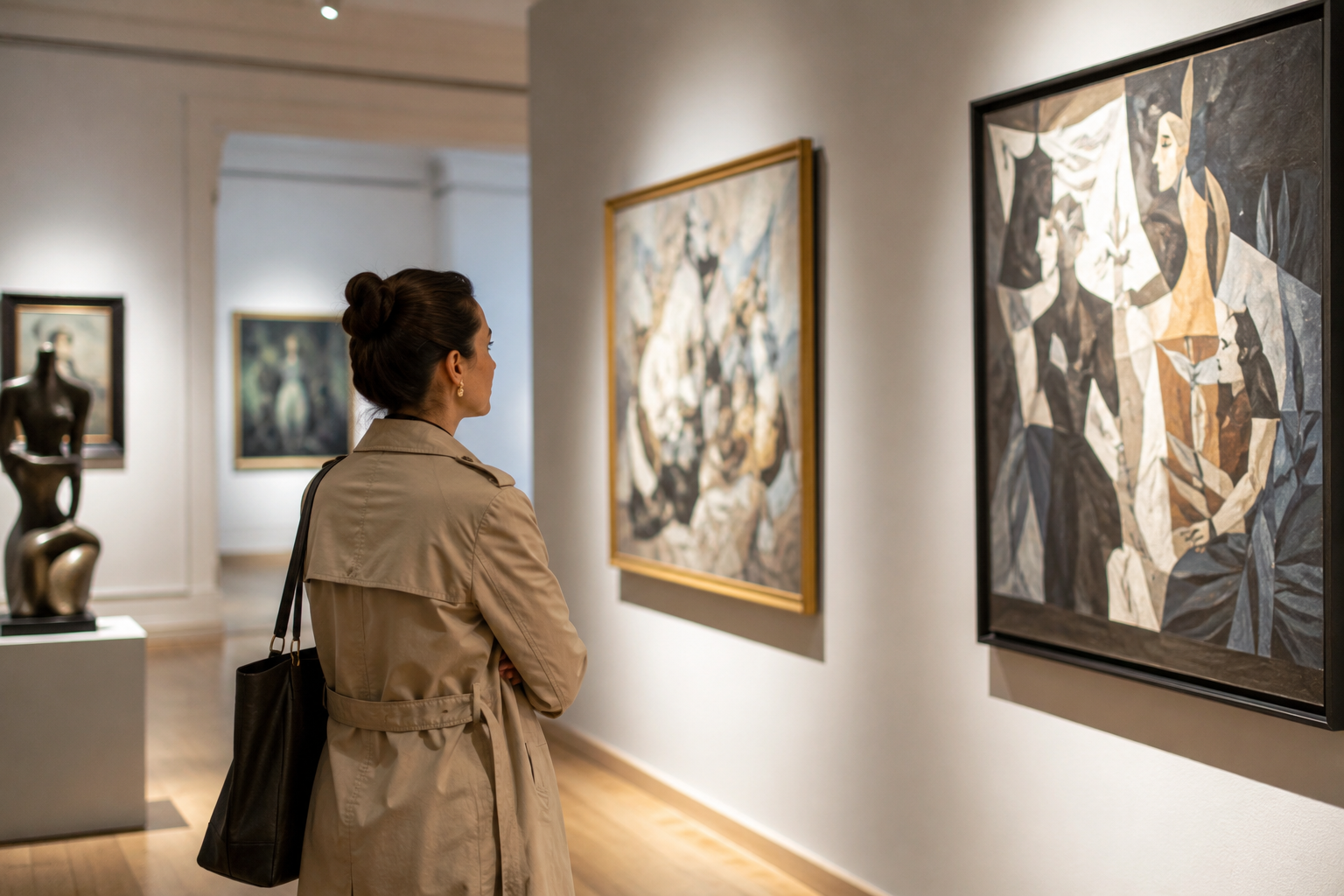
The modern traveler increasingly seeks experiences that resonate deeply with personal interests. Generic itineraries no longer suffice for.
For generations, museums have served as custodians of human heritage, silent witnesses to time's passage. Yet, their role has evolved.
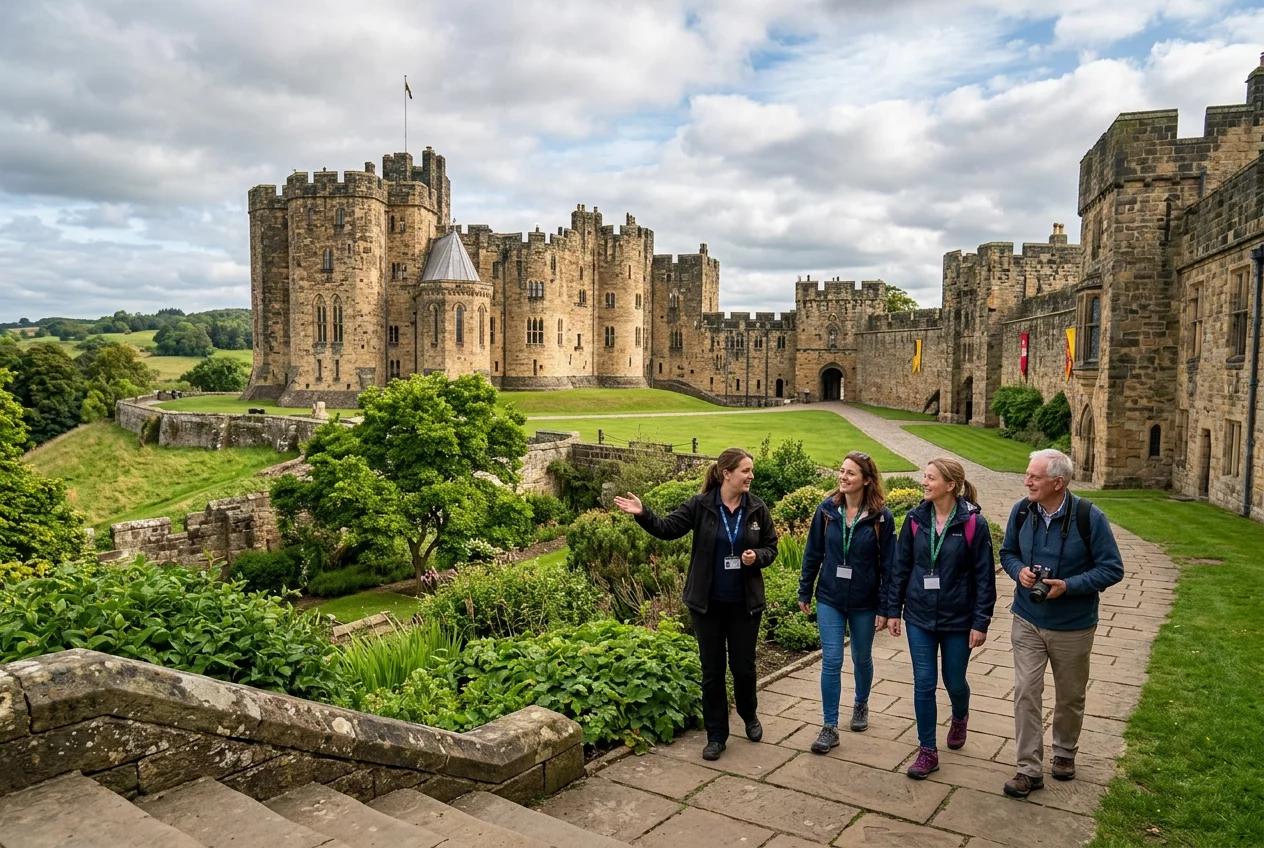
The allure of cinema extends far beyond the screen, drawing enthusiasts into the very landscapes and settings that brought their favorite.
Eleanor Murphy
15/09/2026This article beautifully articulates the transformative power of interactive learning in museums. My children always remember the workshops where they could dress up or make something historical. It truly brings history to life!