Bespoke Cultural Itineraries for London Gallery Enthusiasts
The modern traveler increasingly seeks experiences that resonate deeply with personal interests. Generic itineraries no longer suffice for.
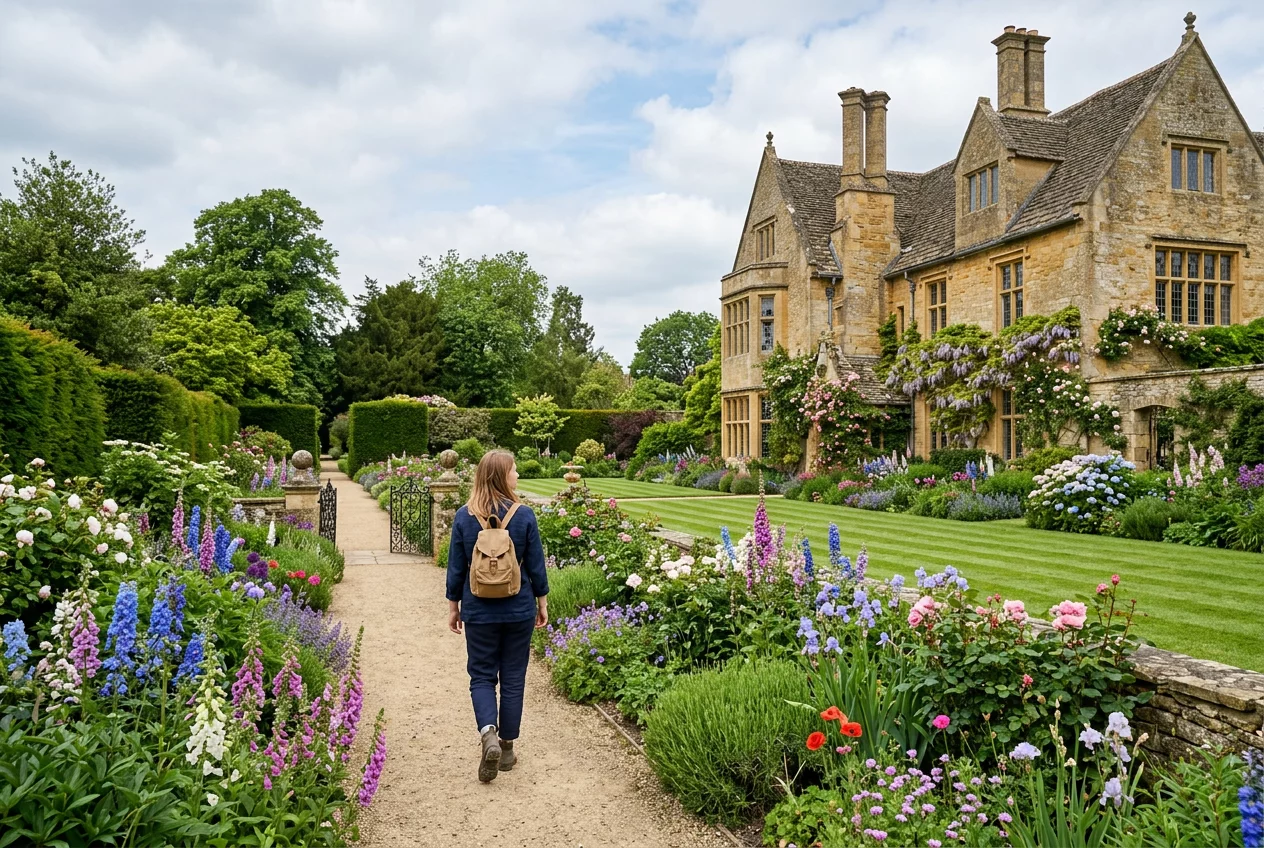
English country estates have long captivated the imagination, serving as timeless symbols of architectural grandeur and horticultural artistry. These magnificent properties, often centuries old, offer a unique window into the past, showcasing the evolving tastes and aspirations of their custodians. From medieval strongholds to opulent Georgian residences, each manor tells a story of lineage, societal shifts, and the profound connection between human endeavor and the land. Their enduring appeal lies in this rich tapestry of history and beauty.
The evolution of garden design across these estates is a fascinating study in cultural currents. Early formal gardens, often influenced by continental styles, gave way to the distinctive English landscape movement of the 18th century. Visionaries like Lancelot 'Capability' Brown sculpted vast parklands, creating idealized vistas that appeared effortlessly integrated with the surrounding topography. This shift marked a profound departure, emphasizing sweeping lawns, meandering water features, and artfully placed clumps of trees to evoke a sense of serene, painterly beauty.
Beyond their aesthetic splendor, English manors and their gardens were central to the social and economic fabric of their eras. They functioned as self-sufficient communities, hubs of agricultural innovation, and venues for lavish entertainments. The layout of the house, the arrangement of its rooms, and the design of its pleasure grounds all reflected the hierarchical structures and daily rituals of aristocratic life. Understanding these spaces provides insight into the intricate dance between power, prestige, and the pursuit of refined living.
The concept of the "picturesque" profoundly shaped the aesthetics of many English landscape gardens. This artistic ideal sought to create scenes reminiscent of classical paintings, often incorporating elements like follies, grottoes, and winding paths to surprise and delight the viewer. It wasn't about raw wilderness, but a carefully curated vision of unspoiled beauty, designed to evoke tranquility and wonder, a stark contrast to earlier, more rigid geometric designs.
These historic estates are more than just beautiful places; they are integral to England's cultural identity. They embody a certain ideal of heritage, reflecting centuries of history, social customs, and artistic achievement. For many, they represent a quintessential Englishness, a blend of tradition, elegance, and a deep connection to the land. Their continued popularity speaks volumes about their resonance in the collective consciousness.
Maintaining such vast and ancient properties in the modern era presents considerable challenges. Balancing the need for historical authenticity with the practicalities of public access and infrastructure upgrades requires delicate management. Decisions regarding restoration, interpretation, and visitor amenities are often subject to scholarly debate, ensuring these precious sites remain true to their past while engaging contemporary audiences.
Tourism plays a crucial role in the sustainability of these estates, providing vital resources for their upkeep and preservation. Organizations like Museum Travel England specialize in curating experiences that allow visitors to deeply engage with these magnificent locations, ensuring their stories continue to be told. This engagement helps secure the future of these cherished landmarks, transforming appreciation into tangible support.
Within the ancient walls and verdant landscapes of these manors, countless human stories are embedded. From the lives of the aristocratic families who commissioned their creation to the skilled artisans and gardeners who brought their visions to life, each estate is a repository of human endeavor. Exploring these sites is to walk through layers of history, art, and the intricate relationships that shaped a nation.

The modern traveler increasingly seeks experiences that resonate deeply with personal interests. Generic itineraries no longer suffice for.
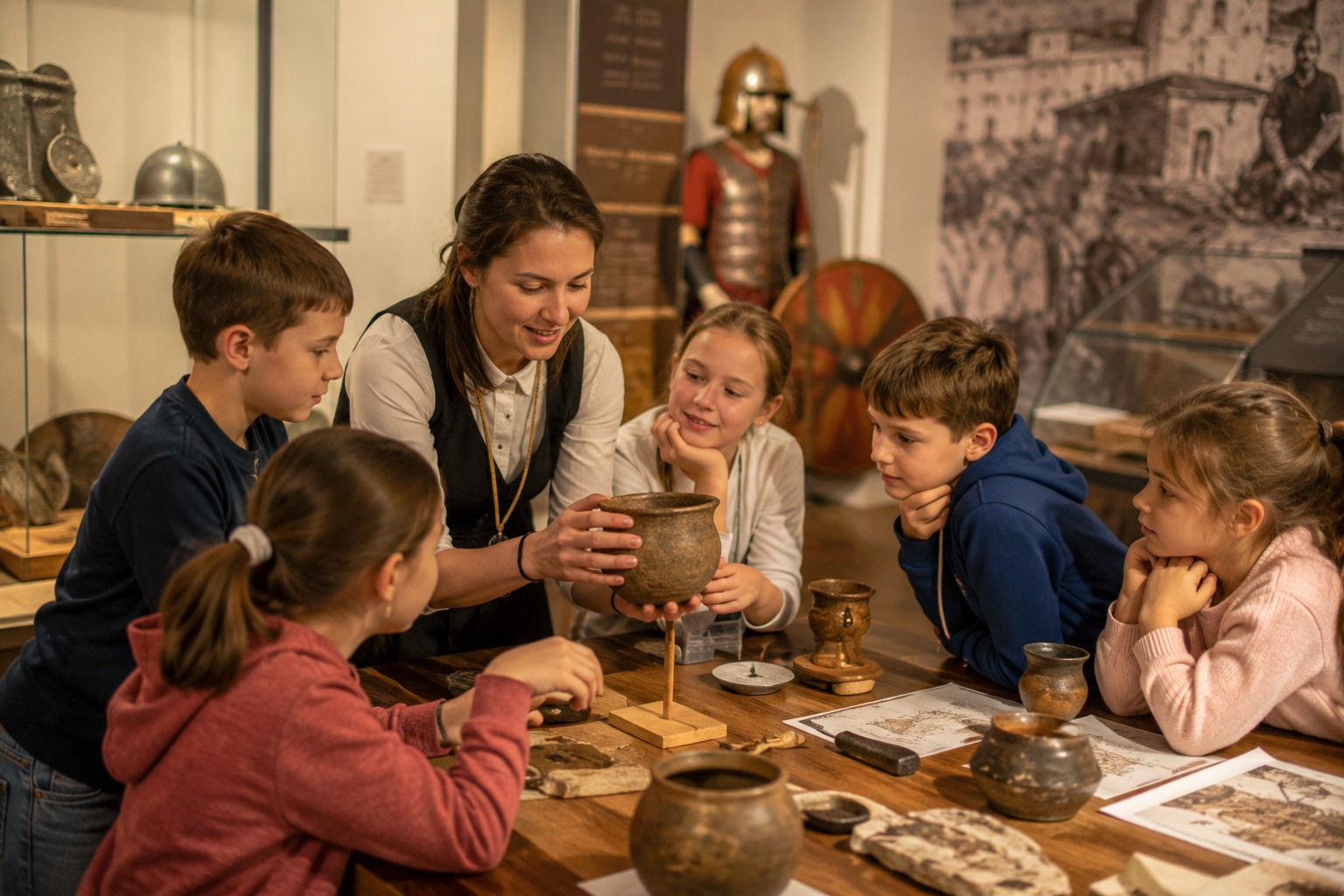
For generations, museums have served as custodians of human heritage, silent witnesses to time's passage. Yet, their role has evolved.
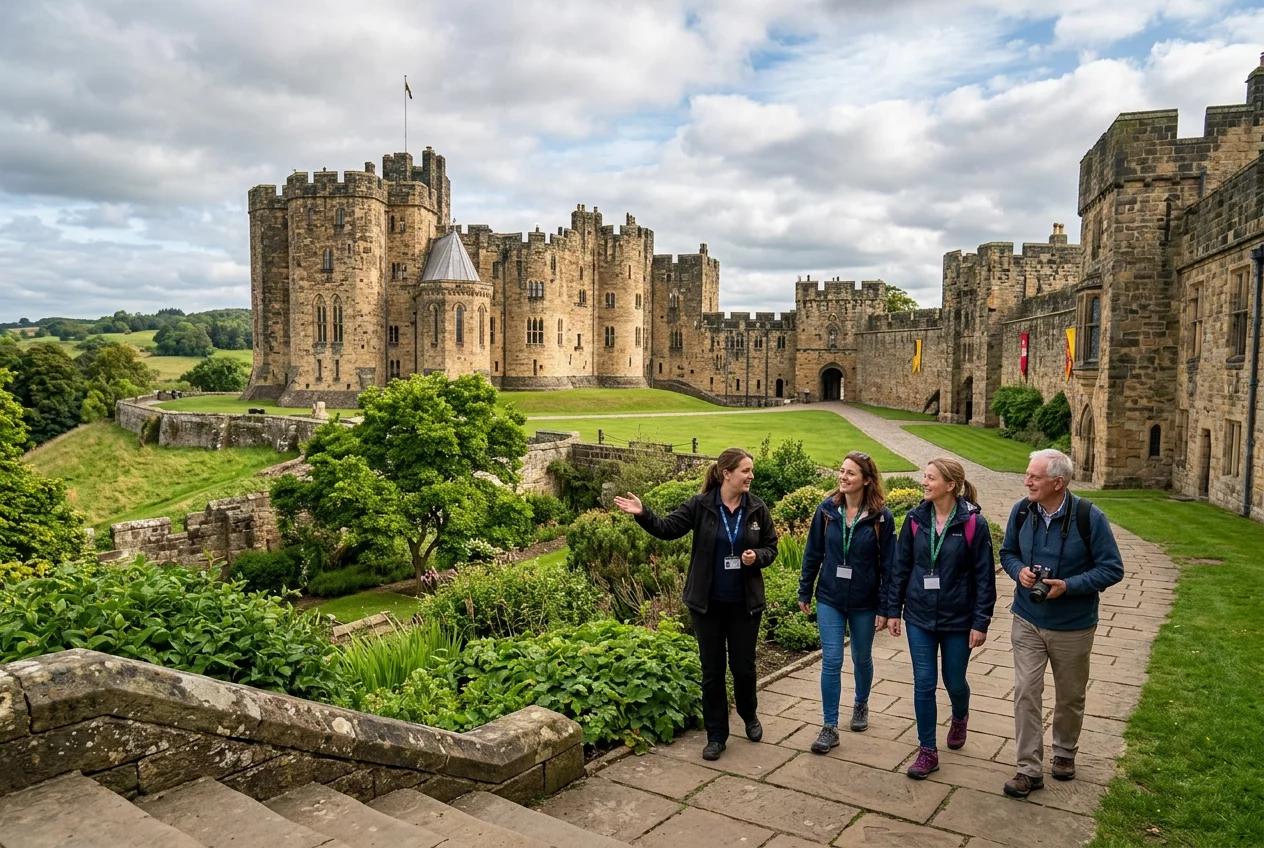
The allure of cinema extends far beyond the screen, drawing enthusiasts into the very landscapes and settings that brought their favorite.