Violet Lowe
19/05/2026We're so glad to hear that! The region truly holds incredible stories. We hope you get to explore these fascinating sites soon!
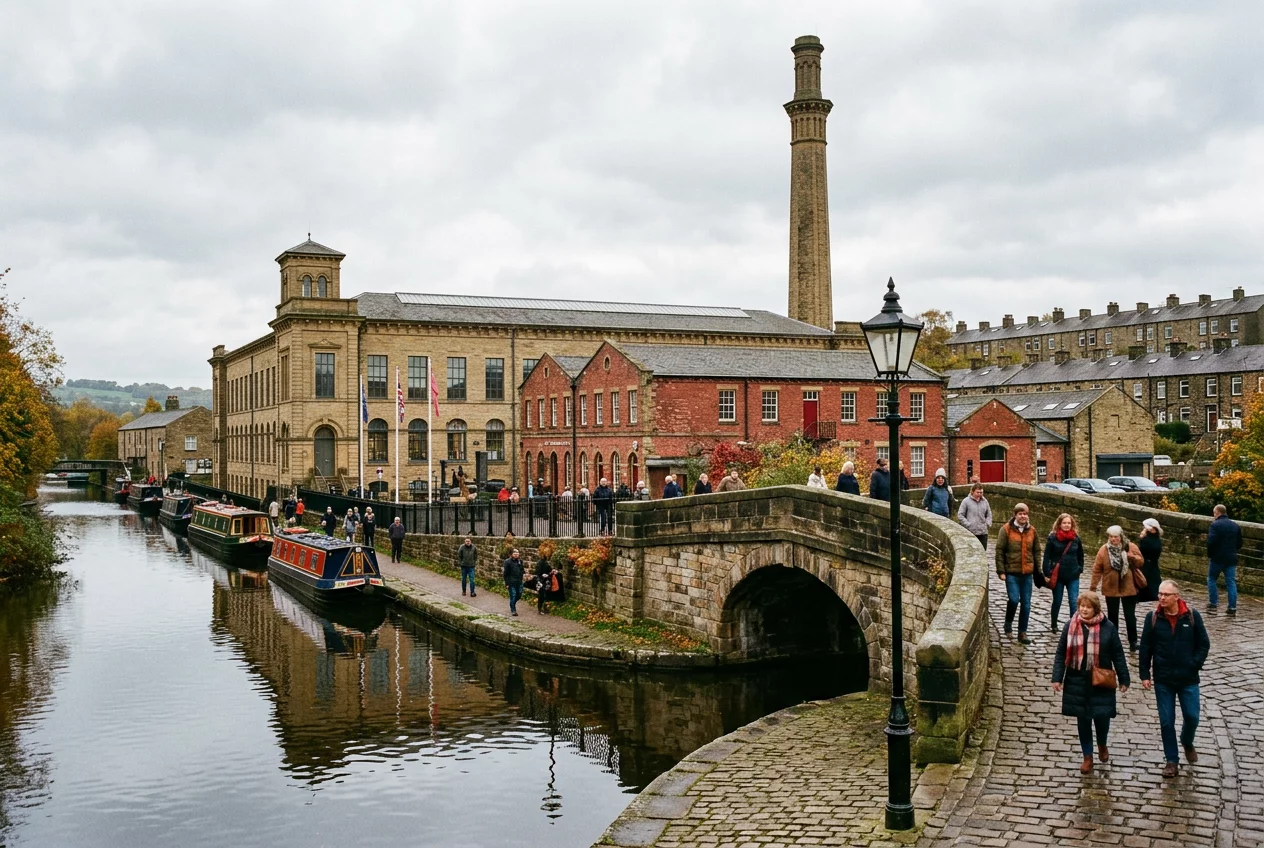
Northern England stands as a monumental crucible of the Industrial Revolution, its very fabric woven from innovation and human endeavour. For centuries, this region spearheaded global advancements, particularly in textile manufacturing, coal mining, and steel production. These industries profoundly reshaped the landscape, giving rise to bustling towns and intricate transport networks. Understanding this era is crucial for appreciating the region's unique identity, a journey Museum Travel England helps facilitate.
Early studies of industrial sites often focused on their engineering marvels or economic output. Gradually, a significant shift in perception emerged. Researchers began highlighting the profound social impact of industrialisation, moving beyond mere technological analysis. This interest laid the groundwork for recognising these sites not just as relics, but as vital components of cultural heritage, deserving of preservation and interpretation.
The rise of industrial archaeology in the mid-20th century provided a systematic framework for investigating complex sites. This discipline, combined with public curiosity, fueled the emergence of heritage tourism. Former factories, mills, and mines transformed into compelling educational attractions. They offer tangible links to our collective past, allowing visitors to connect with the lives and experiences of those who built the modern world.
Transforming former industrial complexes into heritage sites is a fascinating process. Once hubs of intense activity, these spaces become curated environments for reflection and education. This transition balances historical accuracy with visitor engagement, sometimes simplifying narratives. The 'museumifying' of these sites fundamentally redefines their purpose and public perception, a key focus for Museum Travel England.
Modern interpretation increasingly leverages technology. Digital reconstructions bring lost machinery to life, while augmented reality offers immersive glimpses into past working conditions. These tools allow for deeper, interactive engagement with history, moving beyond static displays. Technology should always complement authentic physical remnants, ensuring the physical connection to the past remains paramount.
A significant debate concerns how to present the "darker" aspects of industrialisation. This includes worker exploitation, child labour, harsh living conditions, and environmental impact. While romanticising the past is easy, a balanced approach demands acknowledging these difficult truths. Presenting these narratives sensitively is crucial for a complete and honest historical understanding.
Local communities play a vital role in shaping the interpretation and preservation of industrial heritage. For many Northern English towns, industrial history is deeply intertwined with local identity and pride. Engaging residents in heritage projects fosters a sense of ownership, ensuring stories resonate with those living amidst these landscapes.
Beyond historical preservation, industrial heritage tourism brings tangible benefits to Northern English towns. It attracts visitors, supporting local businesses and creating opportunities. This influx of interest helps sustain the sites it celebrates, ensuring their upkeep and continued accessibility. Museum Travel England actively promotes these unique destinations, fostering renewed civic pride and cultural initiatives.

We're so glad to hear that! The region truly holds incredible stories. We hope you get to explore these fascinating sites soon!

It's interesting how much technology is now used to interpret these historical sites. I wonder if it ever distracts from the original structures.

That's a very valid point. Our aim is always to use technology as an enhancement, ensuring it complements the authentic physical remnants rather than overshadowing them, to provide a richer understanding.
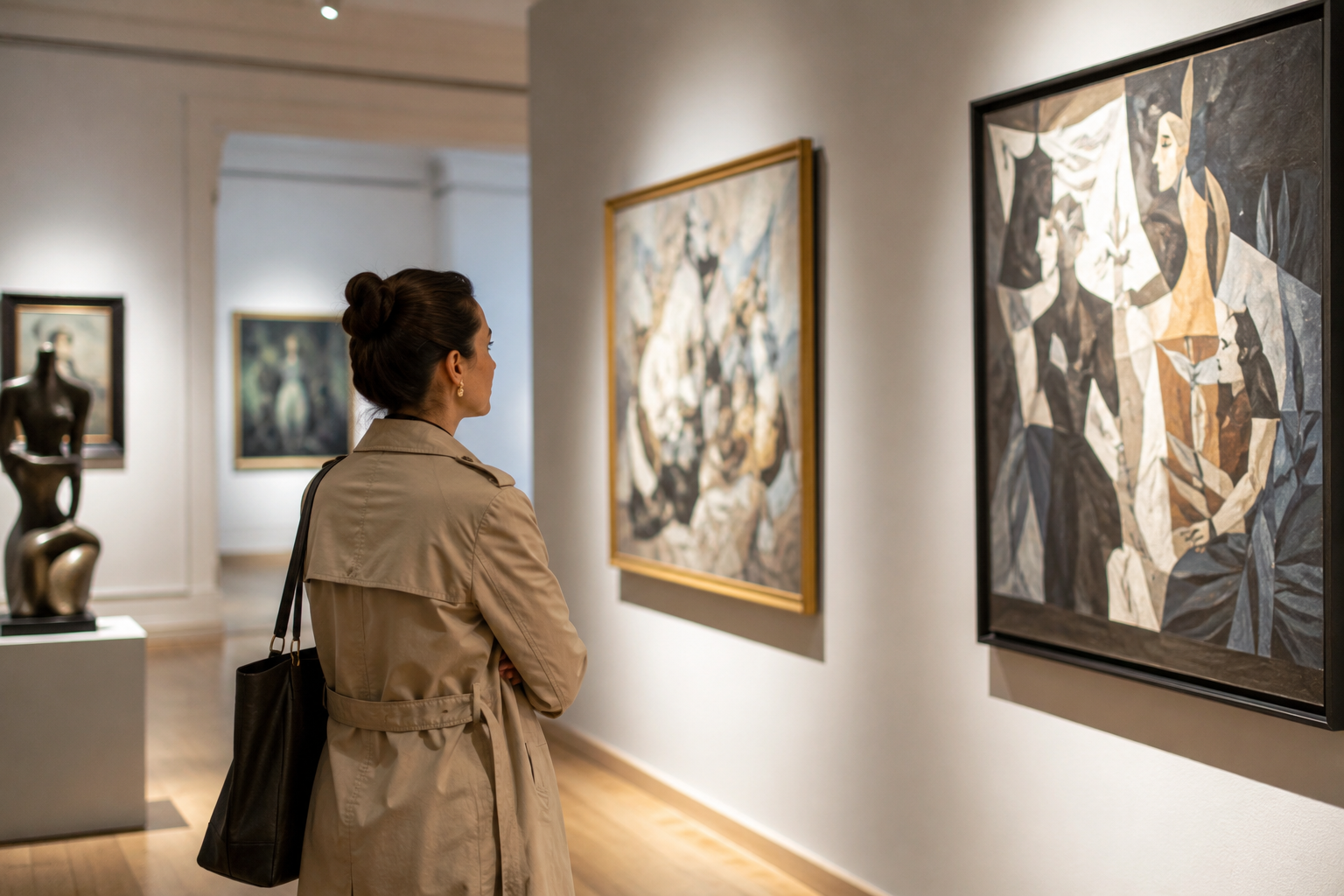
The modern traveler increasingly seeks experiences that resonate deeply with personal interests. Generic itineraries no longer suffice for.
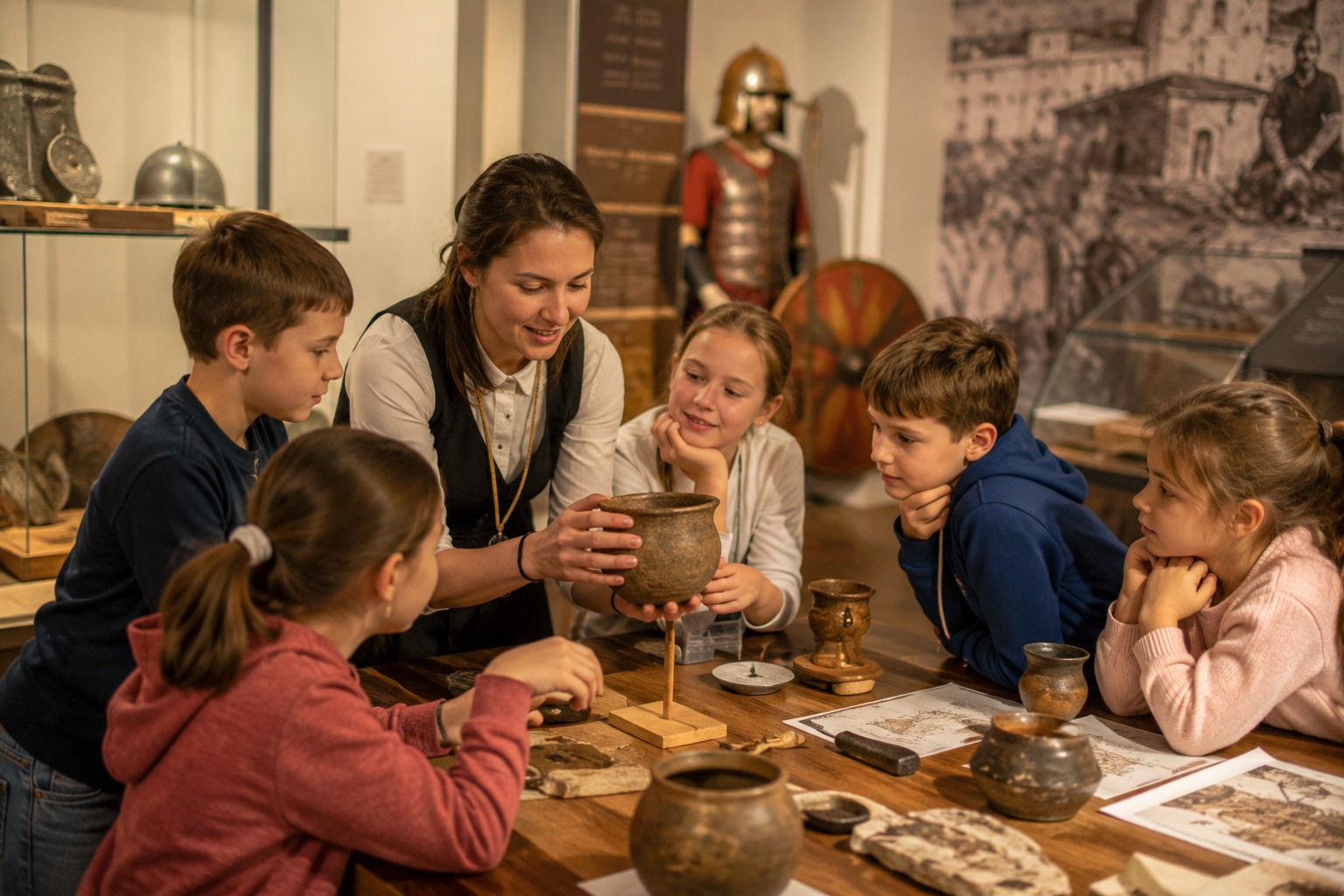
For generations, museums have served as custodians of human heritage, silent witnesses to time's passage. Yet, their role has evolved.
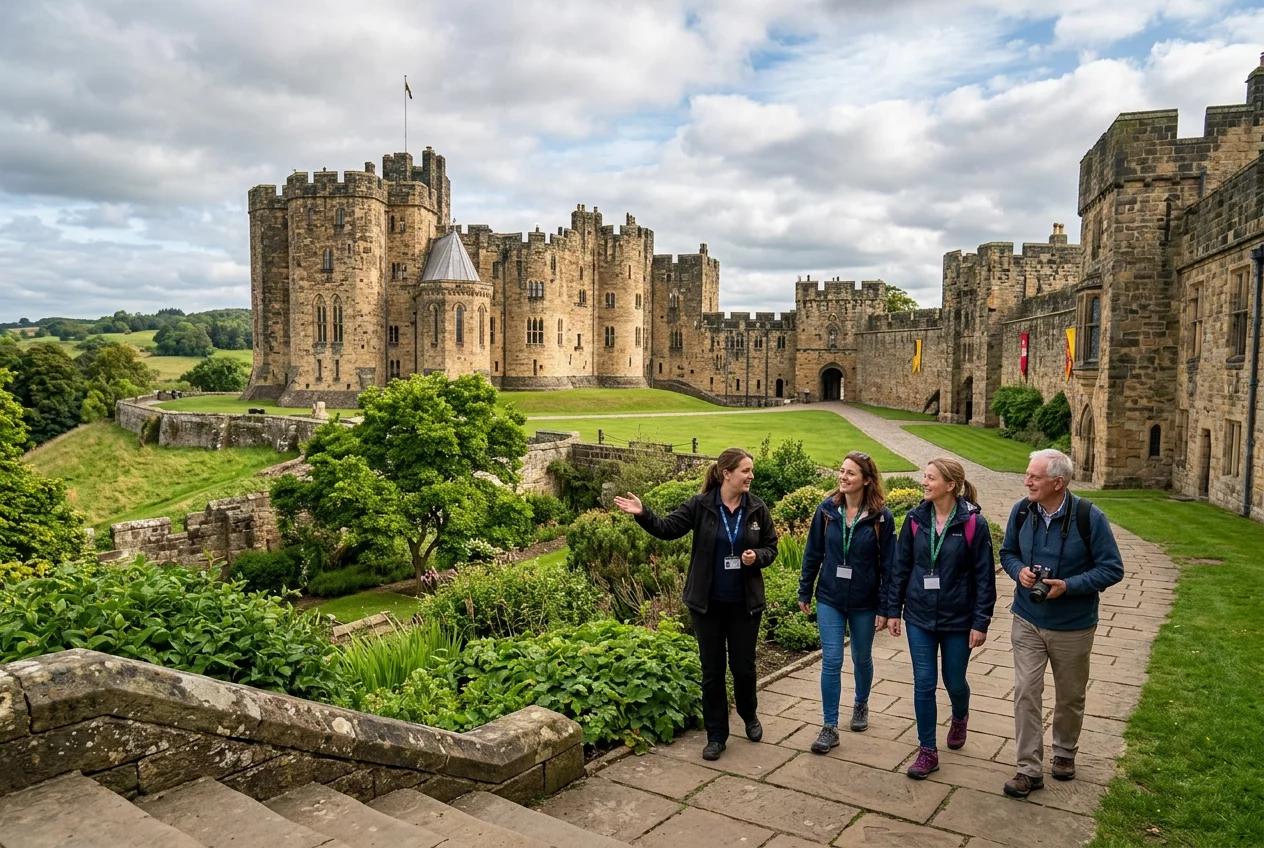
The allure of cinema extends far beyond the screen, drawing enthusiasts into the very landscapes and settings that brought their favorite.
Teresa Turner
14/09/2026This article beautifully captures the essence of Northern England's industrial past. I've always been fascinated by the mills and mines, and this piece really brings their stories to life. Makes me want to plan a visit!