Bespoke Cultural Itineraries for London Gallery Enthusiasts
The modern traveler increasingly seeks experiences that resonate deeply with personal interests. Generic itineraries no longer suffice for.
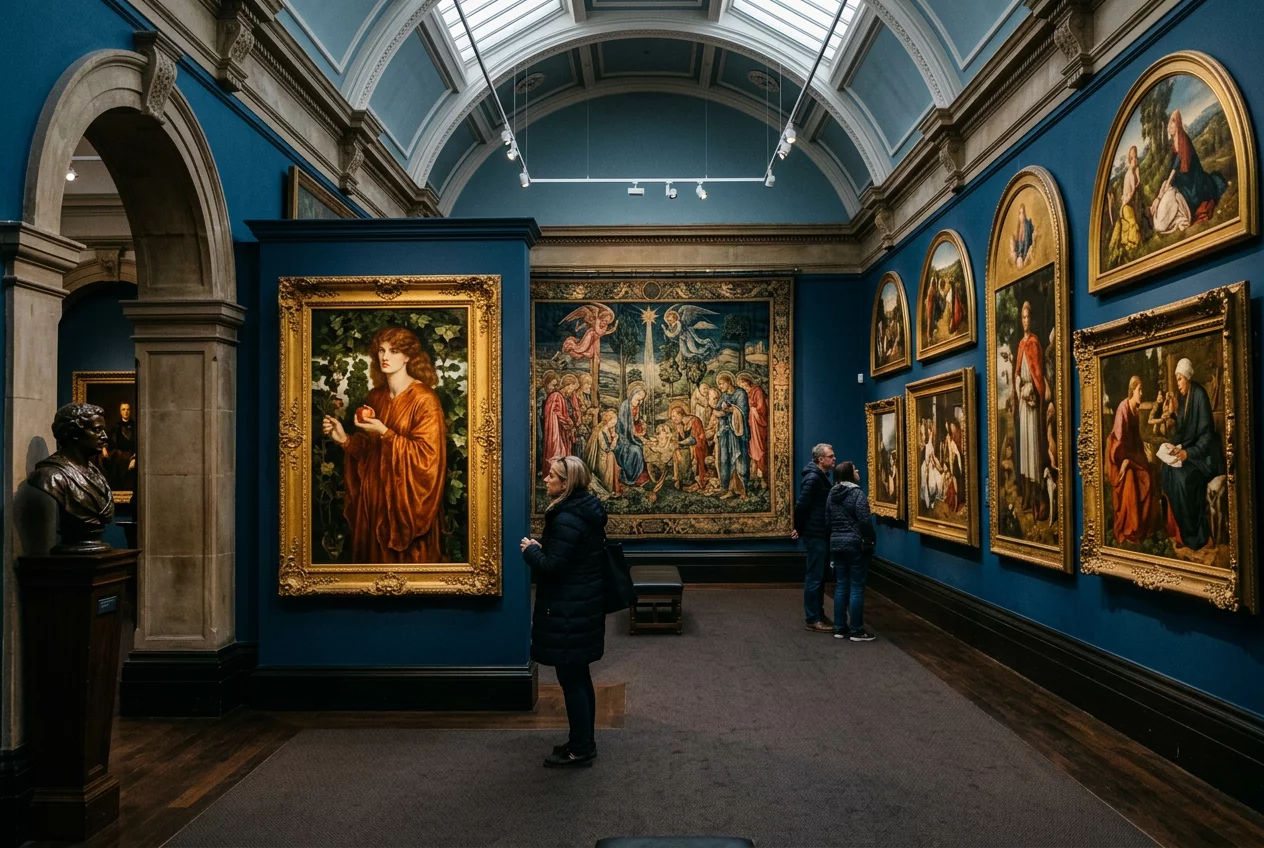
The Pre-Raphaelite Brotherhood, a revolutionary mid-19th century English art movement, rejected academic norms. Founders like Hunt, Millais, and Rossetti championed a return to detailed observation, vibrant colours, and moral earnestness in art before Raphael. Their vision sparked a new, influential aesthetic era, a journey Museum Travel England helps explore.
While often linked to London, Pre-Raphaelite influence profoundly shaped Birmingham. This burgeoning industrial city, forging its own cultural identity, embraced the Brotherhood's ideals. Birmingham provided a fresh environment for artistic expression, drawing artists and patrons eager to support this innovative creativity, distinct from traditional art centers.
Birmingham's distinct socio-economic landscape fostered this connection. Emerging industrialists, often self-made, sought art reflecting their aspirations for beauty and progress, differing from aristocratic tastes. This vibrant patronage created a robust market and supportive environment for Pre-Raphaelite artists, establishing Birmingham as a crucial center for the movement.
Birmingham's cultural institutions, notably the Birmingham Museum and Art Gallery, proved pivotal. Through institutional support and private commissions, the city amassed one of the world's most significant Pre-Raphaelite art collections. This made Birmingham a unique repository of their aesthetic principles, offering a crucial lens to understand the movement's wider Victorian impact.
Birmingham's unique cultural landscape fostered its receptiveness to Pre-Raphaelite art. Unlike London's academic dominance, the city forged its own identity. Its industrial heritage bred a pragmatic, yet aesthetically curious populace, less constrained by traditional tastes. This environment allowed an open embrace of the Brotherhood's often controversial approaches.
Artists like Birmingham native Edward Burne-Jones and William Morris, whose firm created works for the city, solidified this connection. Rossetti also found patrons. Their themes, from Arthurian legends and medieval romance, resonated with Victorian society's fascination for history and moral allegories, appealing to those valuing craftsmanship and rich symbolism.
Interpreting Pre-Raphaelite art in Birmingham reveals its dual role: aesthetic delight and a reflection of societal aspirations. Some scholars see it as pure artistic innovation, others argue it allowed Birmingham's new elite to express cultural sophistication and civic pride. This scholarly debate enriches our understanding of the movement's complex legacy.
The Birmingham Museum and Art Gallery stands as a testament to this enduring influence. Housing one of the world's most comprehensive Pre-Raphaelite collections, it is a vital center for study and public engagement. Its acquisition policies, driven by local enthusiasm, ensured many masterpieces found their permanent home here, accessible to all, a highlight for any Museum Travel England journey.
Beyond paintings, the Pre-Raphaelite ethos permeated Birmingham's applied arts. Their emphasis on craftsmanship, natural forms, and medieval revivalism deeply influenced stained glass, metalwork, and textiles. This holistic approach, championed by William Morris, transformed domestic spaces and public buildings, leaving an indelible mark on Birmingham's visual and cultural identity.
The modern traveler increasingly seeks experiences that resonate deeply with personal interests. Generic itineraries no longer suffice for.
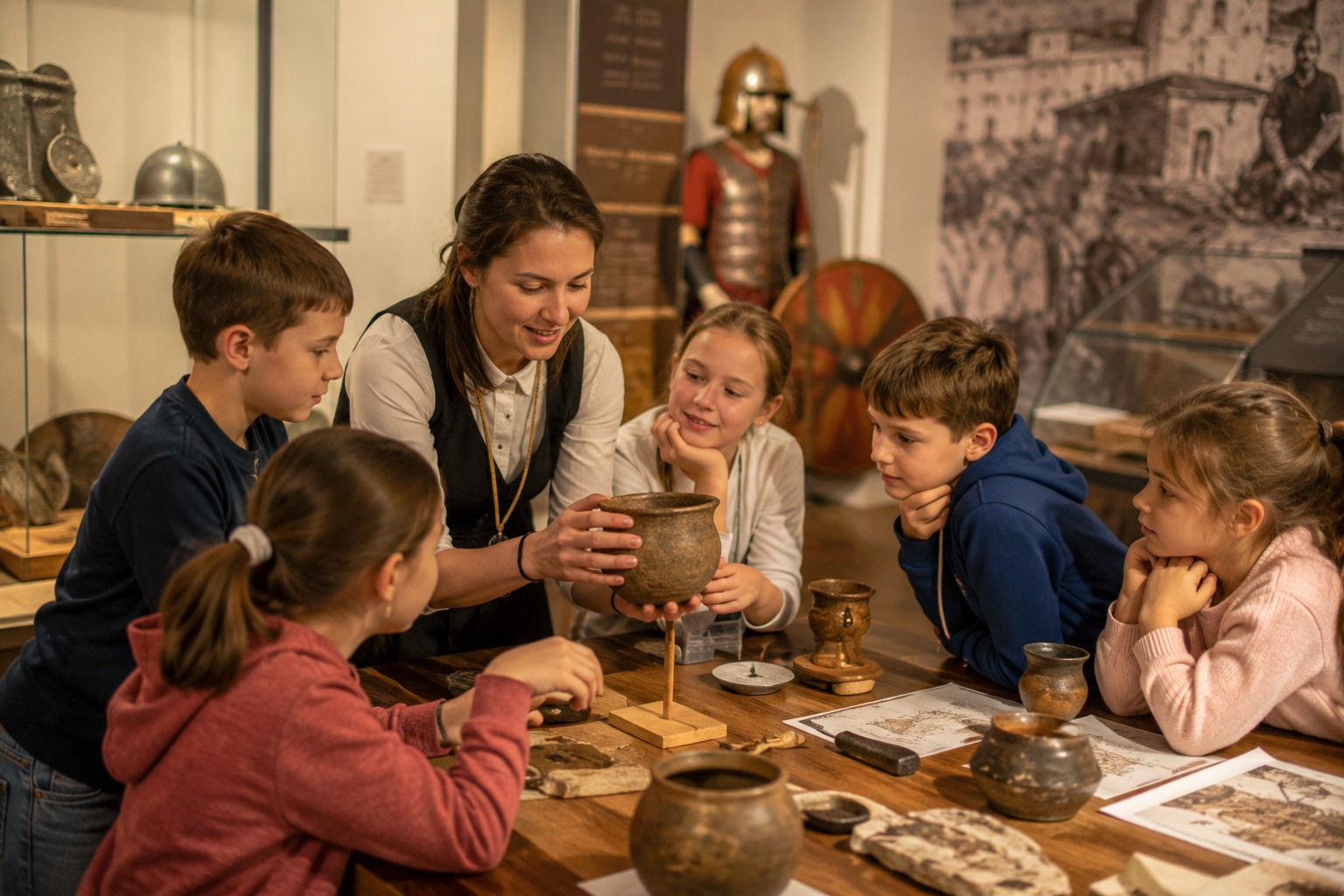
For generations, museums have served as custodians of human heritage, silent witnesses to time's passage. Yet, their role has evolved.
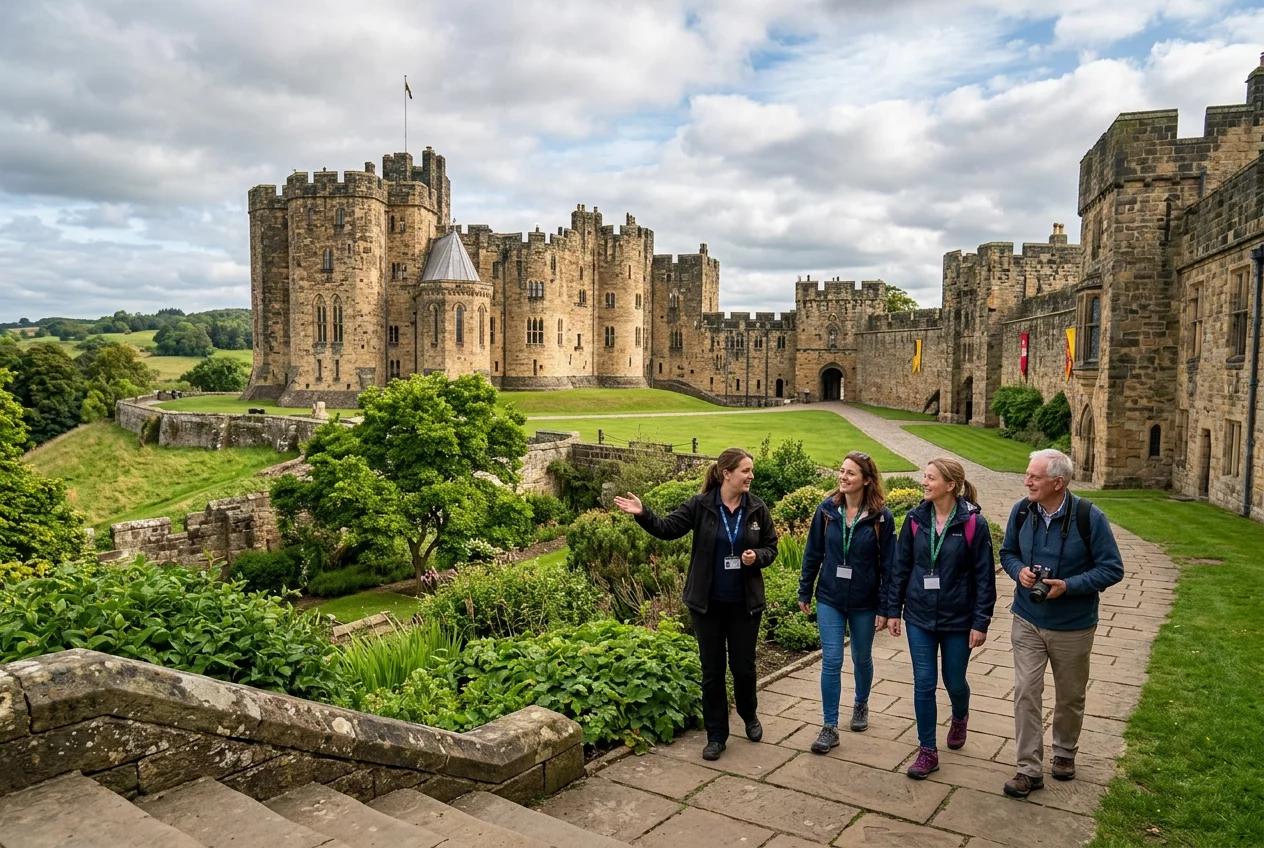
The allure of cinema extends far beyond the screen, drawing enthusiasts into the very landscapes and settings that brought their favorite.